Program 01
SeasonsOur own productions and a program of guest companies, on stage nearly every weekend of the year.
Who it serves
Audiences in Hermosillo: families, students, people seeing theater for the first time, and people who have been coming for thirty years.
And the people who make the work. A year-round season means paid weeks for actors, designers and technicians, in the field they trained for, without leaving the state. Sonora educates artists and has nowhere to employ them. Two hours from the Arizona border and more than 1,300 miles from Mexico City, an artist here is that far from the only consolidated labor market for their discipline in the country. Steady work at home is the difference between a career and occasional employment.
What it addresses
Audiences are not built by events. They are built by continuity. A city can host spectacular festivals and still have no habit of theatergoing, because the habit forms when there is a performance on an ordinary weekend. Sustaining a year-round season in a city this size is the choice almost nobody makes: it is the most expensive and the least visible.
How it works
Two new productions a year — what the infrastructure allows — and performances nearly every weekend. Work stays in the season as long as there is demand, for runs of at least six weeks, rotating within an active repertory.
Alongside our own work we program guest companies from Sonora and the rest of Mexico, who find here a properly equipped stage, a technical crew and production support.
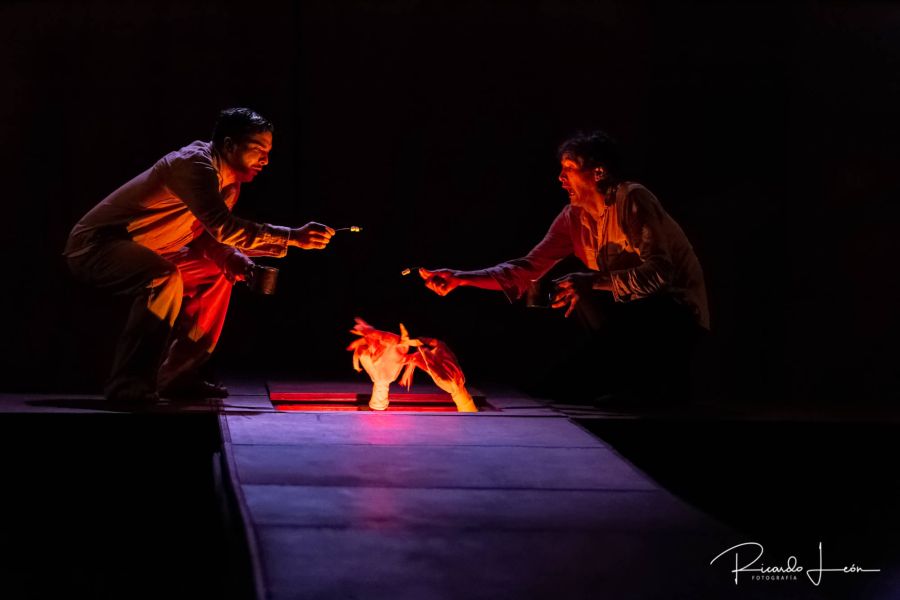
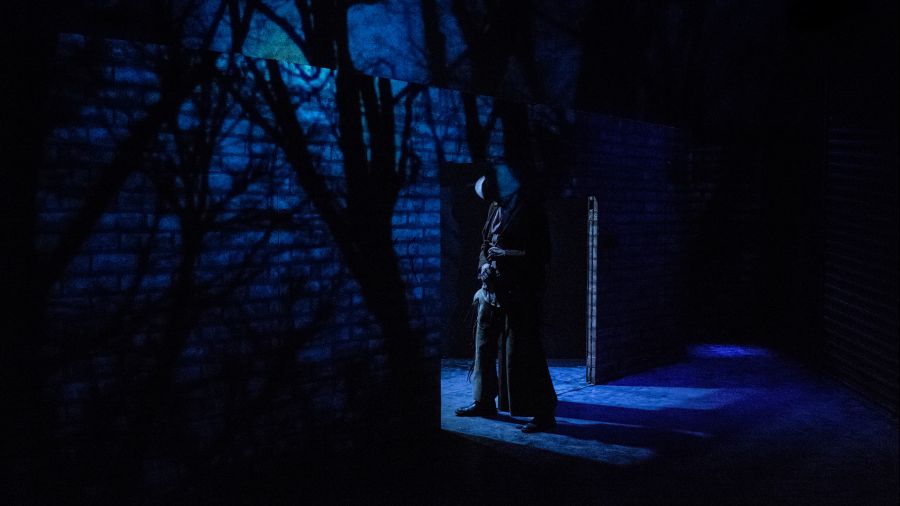
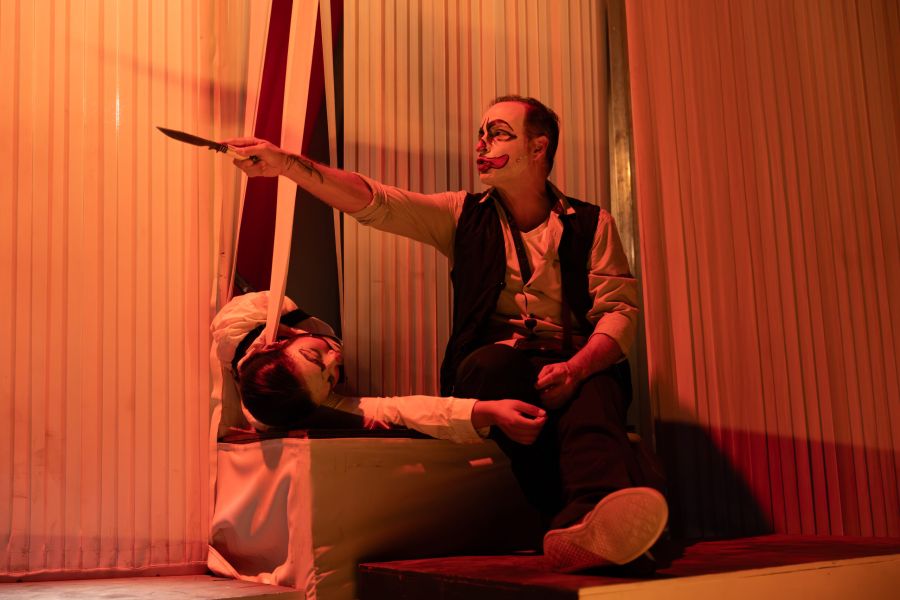
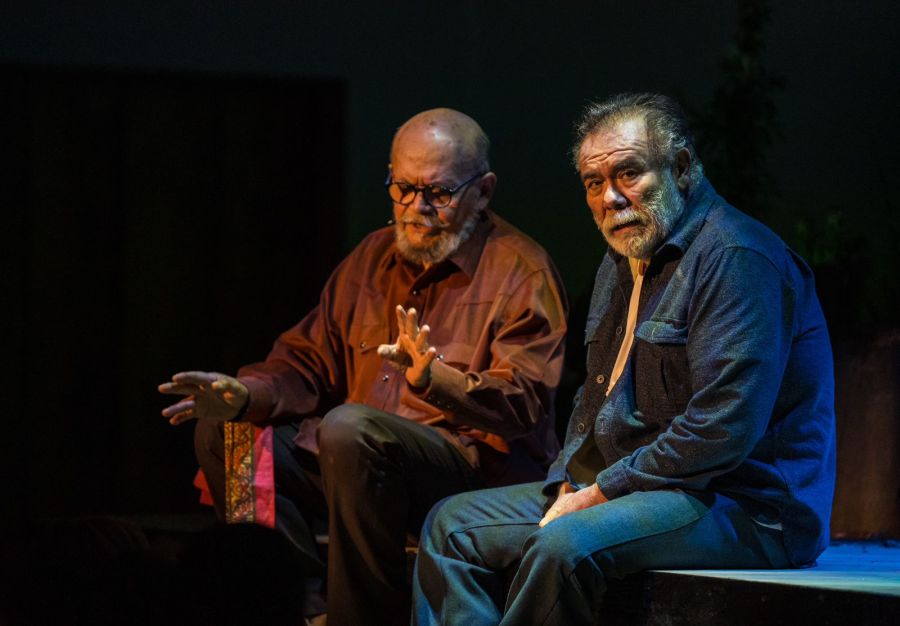
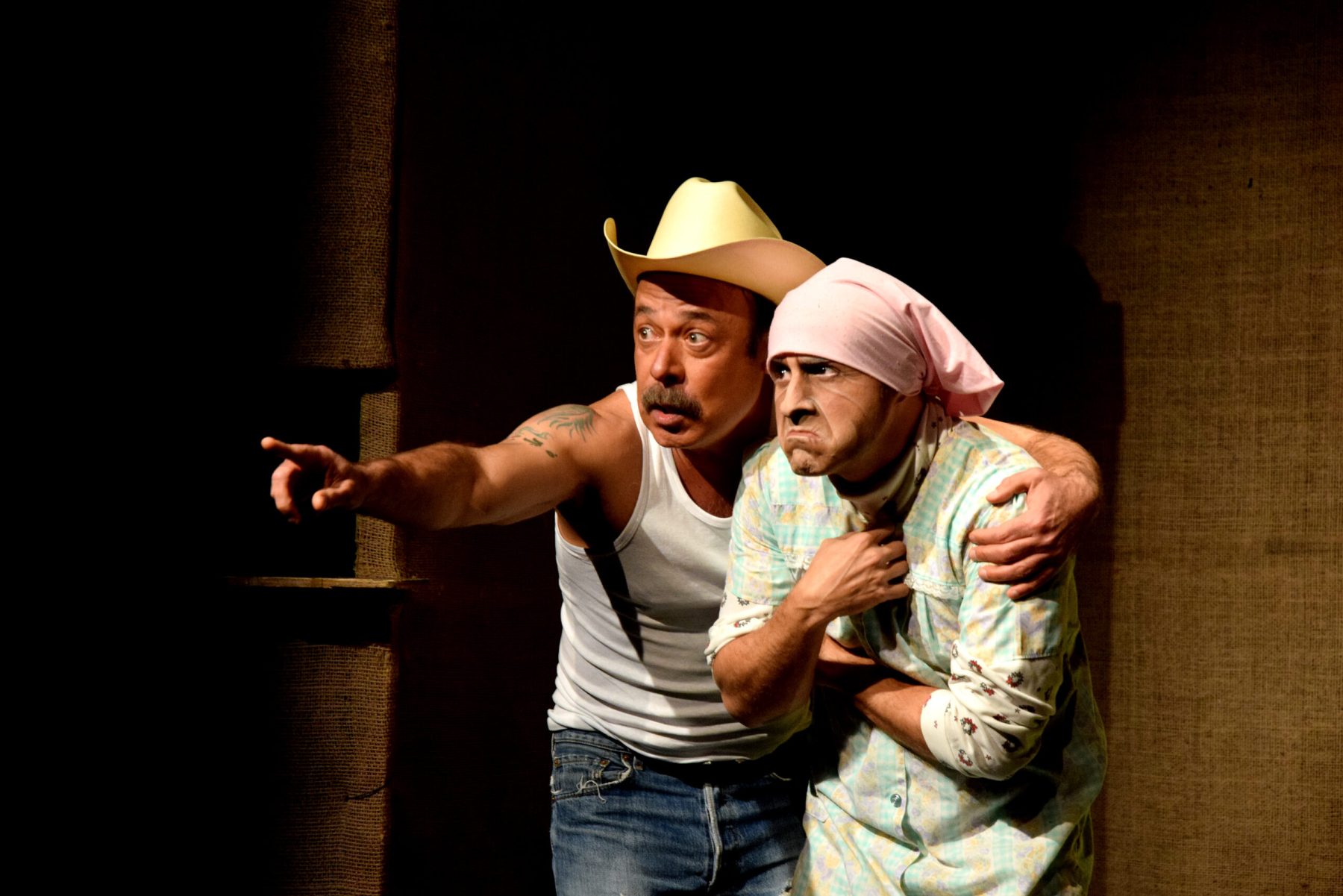
In repertory: Hamlet, Prince of Sonora · La Hora del Bacanora · Romeo and Juliet: Love in the Time of TikTok · Fruncidos · Güevos Rancheros · Noches de Variedá · Crecer, for early childhood.
Coming: La Hora del Bacanora returns for a new season in March 2027. King Lear premieres in July 2027.
Apapushi: theater for schools
Wednesday through Friday, between 11 and 4, the theater sits empty. Apapushi is designed to fill those hours with the same repertory: private performances for school groups, each followed by a half-hour conversation led by two members of the artistic team.
Teachers receive a guide in advance to prepare the group in class, the program is aligned with Mexico's national upper-secondary curriculum framework, and the conversation afterward is built to be picked up again in the classroom. It is designed for high school and university students, ages fifteen and up.
It runs on two tracks. Private schools contract the program and pay in full. Public schools receive it at no cost to them, and that is where philanthropy comes in.
It also carries a consequence worth naming. Weekday performances on top of the regular season require two casts per production, because one ensemble cannot absorb that much wear. That is not a hidden cost; it is part of the purpose. More performances mean more actors hired, more work for the build and technical crews, and an ensemble that grows rather than one that divides the same work among the same people.
The program is designed, documented and ready on paper. It has never launched, for lack of resources. No one is on staff to bring it to schools — a position that requires a salary and training. There is not enough technical personnel to run weekday performances without neglecting the season. And there is nothing to pay for the buses that would bring the groups that cannot pay for them.
Where it stands
From the venue's opening through June 2025, the house has accumulated 881 performances, 148 productions, 192 guest companies and 46,323 audience members. In 2025, our most recent year, we gave 164 performances and concerts to 8,344 people.
What funding makes possible
This program already sustains itself. With partners, it can grow.
A word on how arts funding works in Mexico, because it is not obvious from outside the country. Public support arrives through national competitive programs; the company currently holds one, México en Escena, renewed for a two-year term, which covers part of its operation. These programs fund activity — production, artists' fees, a share of running costs. What none of them fund is the purchase of assets: technical equipment, vehicles, building work. An organization can therefore operate on public support for years and never once invest in the things it operates with. There is no Mexican equivalent of a capital grant.
Ticket prices are already subsidized. Without that subsidy a ticket to a professional production would run about 800 pesos — roughly forty-five dollars — in a city where that price would empty the room. Box office covers the program's operation, and public support covers part of the rest. But the available grants are similar in size and capped year after year, and that sets a production ceiling no show can rise above: you can stage a play, but always within the same margin of set, cast, rehearsal time and creative team. The cumulative effect is not scarcity. It is stasis.
A gift to Seasons does four things: expands the creative team of a production; gives a piece the research and rehearsal time it asks for; replaces the technical equipment every performance depends on; and launches Apapushi.
On Apapushi specifically. What is being asked for is the start-up of something already designed, and its delivery to public schools. Four things: the person who brings the program to schools, with their training; the second cast that makes weekday performances possible without exhausting the ensemble, which is new employment for actors in the state; the build and technical personnel those performances require; and transportation for the groups — the real barrier for a public school, and the one cost the design leaves out because a private school solves it on its own.
Performances are allocated against written criteria: how under-resourced the area is, distance from the city center, and the share of students attending professional theater for the first time.
Contact
Paulo Galindo, Executive Director · director@mentidero.mx
Download: program sheet, PDF · English and Spanish